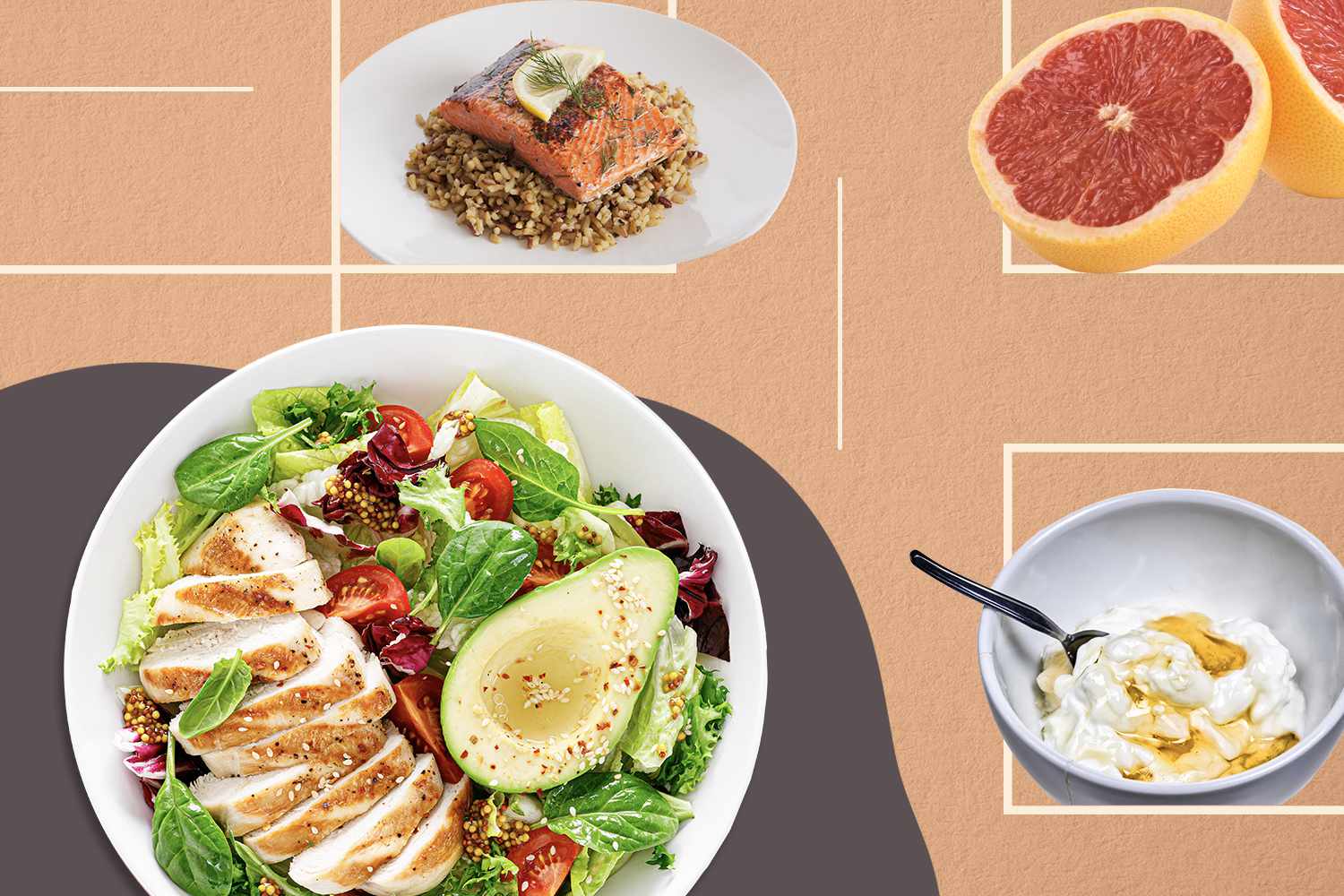
Healthy eating is not about strict dieting or giving up your favorite foods. It’s about making smart, balanced choices that nourish your body and support long-term well-being. A healthy daily diet provides essential nutrients, boosts Healthy Eating energy levels, strengthens immunity, and helps prevent chronic diseases. By including the right foods in your everyday meals, you can build a lifestyle that promotes overall health. Here’s a complete guide on what to include in your daily diet for healthy eating.
Healthy Eating: Fresh Fruits and Vegetables
Fruits and vegetables should be the foundation of a healthy diet. They are rich in vitamins, minerals, fiber, and antioxidants that protect the body from illness. Aim to include a variety of colors—green leafy vegetables, orange carrots, red tomatoes, and purple berries—to ensure a wide range of nutrients. Fresh fruits and vegetables also aid digestion and help maintain a healthy weight.
Whole Grains for Sustained Energy
Whole grains provide long-lasting energy and are an essential part of daily nutrition. Foods like brown rice, whole wheat bread, oats, quinoa, and barley contain fiber and complex carbohydrates that support digestion and keep you full for longer. Unlike refined grains, whole grains help regulate blood sugar levels and reduce the risk of heart disease.
Lean Protein Sources
Protein is vital for muscle growth, tissue repair, and overall body function. Include lean protein sources such as eggs, fish, chicken, lentils, beans, tofu, and low-fat dairy products in your daily diet. Plant-based proteins are especially beneficial because they also provide fiber and essential minerals. A balanced intake of protein helps control hunger and supports metabolism.
Healthy Fats for Brain and Heart Health
Not all fats are bad. Healthy fats are essential for brain function, hormone production, and heart health. Foods like avocados, nuts, seeds, olive oil, and fatty fish such as salmon provide beneficial fats. Including moderate amounts of healthy fats in your meals improves nutrient absorption and adds flavor while supporting overall health.
Dairy or Dairy Alternatives
Dairy products are a great source of calcium, protein, and vitamins that support bone health. Milk, yogurt, and cheese can be included in moderation as part of a balanced diet. For those who are lactose intolerant or prefer plant-based options, fortified almond milk, soy milk, or oat milk are excellent alternatives. Choose low-fat and unsweetened options whenever possible.
Hydration and Healthy Beverages
Water plays a crucial role in maintaining body functions. Staying hydrated helps regulate temperature, support digestion, and flush out toxins. Aim to drink plenty of water throughout the day. Herbal teas, coconut water, and fresh fruit-infused water are healthy alternatives to sugary drinks. Limiting soda and packaged juices is essential for maintaining a healthy diet.
Fiber-Rich Foods for Digestive Health
Fiber is essential for digestion and gut health. Foods rich in fiber include fruits, vegetables, whole grains, legumes, nuts, and seeds. A fiber-rich diet helps prevent constipation, supports heart health, and promotes a healthy gut microbiome. Including fiber in your daily meals also helps you feel full and satisfied.
Limit Sugar, Salt, and Processed Foods
Healthy eating isn’t only about what you include—it’s also about what you limit. Reduce your intake of processed foods, sugary snacks, and excess salt. These foods often contain unhealthy fats and additives that can harm your health. Choose natural, home-cooked meals whenever possible and read food labels to make informed choices.
Balance and Portion Control
Even healthy foods should be consumed in the right portions. Eating balanced meals that include carbohydrates, proteins, and fats is key to maintaining energy and avoiding overeating. Practice mindful eating by paying attention to hunger cues and avoiding distractions during meals.
Final Thoughts
Healthy eating is a lifelong commitment that starts with simple daily choices. By including fruits, vegetables, whole grains, lean proteins, healthy fats, and plenty of water in your daily diet, you can improve your overall health and well-being. Small, consistent changes can lead to long-term benefits, helping you feel more energetic, focused, and healthy every day.





[…] a healthy eating lifestyle doesn’t mean giving up comfort food. This High protein creamy beef pasta recipe uses clever […]
[…] you’re following a healthy eating plan or looking for restaurant-style food at home, this traybake delivers. For a complete feast, serve […]
[…] Healthy Twist: Serve with a side of steamed broccoli or snap peas to make it a balanced healthy meal. […]