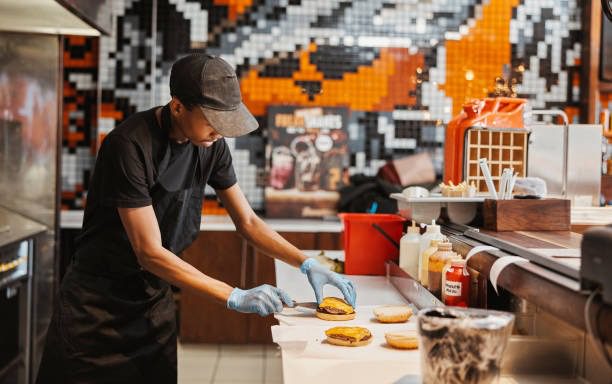
The fast food industry is constantly evolving, adapting to changing consumer preferences, technological advancements, and sustainability concerns. As we approach 2026, several key trends are shaping the future of fast food restaurants. From plant-based menus to digital innovations, these trends are helping brands stay relevant and meet the expectations of modern diners.
1. Plant-Based and Alternative Proteins/Fast Food Restaurant
One of the biggest trends in fast food for 2026 is the rise of plant-based and alternative protein options. More consumers are seeking healthier and environmentally-friendly choices without compromising on taste. Fast food chains are expanding menus to include plant-based burgers, nuggets, and sandwiches made from soy, pea protein, or lab-grown meat. This trend caters to vegetarians, flexitarians, and health-conscious customers, making plant-based options a permanent fixture in fast food menus.
2. Technology-Driven Ordering
Digital innovation continues to transform the fast food experience. Online ordering apps, self-service kiosks, and contactless payment options have become standard expectations. In 2026, we can expect further advancements, such as AI-powered ordering systems, predictive ordering based on customer habits, and voice-enabled ordering. Technology not only streamlines operations but also enhances convenience and personalization for diners.
3. Delivery and Ghost Kitchens
Delivery services are more popular than ever, and fast food restaurants are adapting to meet demand. Ghost kitchens—restaurants that operate solely for delivery—are becoming a common strategy for brands to expand without opening new physical locations. In 2026, we will likely see more fast food chains leveraging ghost kitchens, third-party delivery apps, and direct-to-consumer models to increase reach and convenience.
4. Sustainability and Eco-Friendly Practices
Sustainability is a growing concern among consumers, and fast food brands are responding. In 2026, restaurants are expected to adopt more eco-friendly practices, such as reducing single-use plastics, sourcing ingredients locally, and using biodegradable packaging. Menu innovations focusing on plant-based options also contribute to environmental sustainability. Customers are increasingly choosing brands that align with their values, making sustainability a critical trend for the industry.
5. Customization and Personalization
Fast food diners increasingly want meals tailored to their preferences. Customization has evolved beyond just toppings and sauces—restaurants are now Fast Food Restaurant offering fully personalized meals, including dietary modifications like gluten-free, keto, or low-calorie options. Mobile apps and AI technology are enabling restaurants to offer personalized recommendations based on past orders, further enhancing customer satisfaction and loyalty.
6. Health-Conscious Menu Options
While convenience is key, many consumers are becoming more health-conscious. In 2026, fast food restaurants are likely to expand offerings like low-calorie meals, salads, grain bowls, and baked alternatives. Incorporating fresh ingredients, lean proteins, and nutrient-rich options allows fast food brands to appeal to a wider audience without compromising speed or flavor.
7. Experiential Dining and Technology Integration
Fast food restaurants are no longer just about quick meals—they’re also focusing on creating unique experiences. Interactive kiosks, augmented reality menus, and gamified loyalty programs are attracting tech-savvy customers. Experiential dining encourages repeat visits, strengthens brand engagement, and differentiates fast food chains in a competitive market.
8. Global Flavors and Fusion Cuisine
Consumers are increasingly adventurous with their taste buds, seeking bold and unique flavors. Fast food chains are responding by incorporating global cuisines and fusion dishes into their menus. Expect to see more international-inspired burgers, tacos, and wraps, as well as creative sauces and spice blends. These menu innovations cater to evolving consumer palates and keep dining experiences exciting.
Conclusion
The fast food industry is entering an exciting era in 2026, driven by innovation, sustainability, and evolving consumer preferences. From Fast Food Restaurant plant-based proteins and health-conscious options to technology-driven ordering and experiential dining, restaurants are reimagining the fast food experience.
By staying ahead of these trends, fast food chains can attract new customers, retain loyal diners, and remain competitive in a dynamic market. Whether you’re a restaurant owner or a foodie, 2026 promises a fresh and flavorful future for fast food.