The food industry is evolving rapidly, and one of the most significant trends shaping its future is the rise of cloud kitchens. Also known as ghost kitchens or virtual kitchens, cloud kitchens operate without a traditional dine-in space, focusing entirely on Cloud Kitchen Business delivery and takeaway. This innovative business model is transforming how restaurants operate, offering opportunities for entrepreneurs, established brands, and food startups alike.
1. What is a Cloud Kitchen Business?
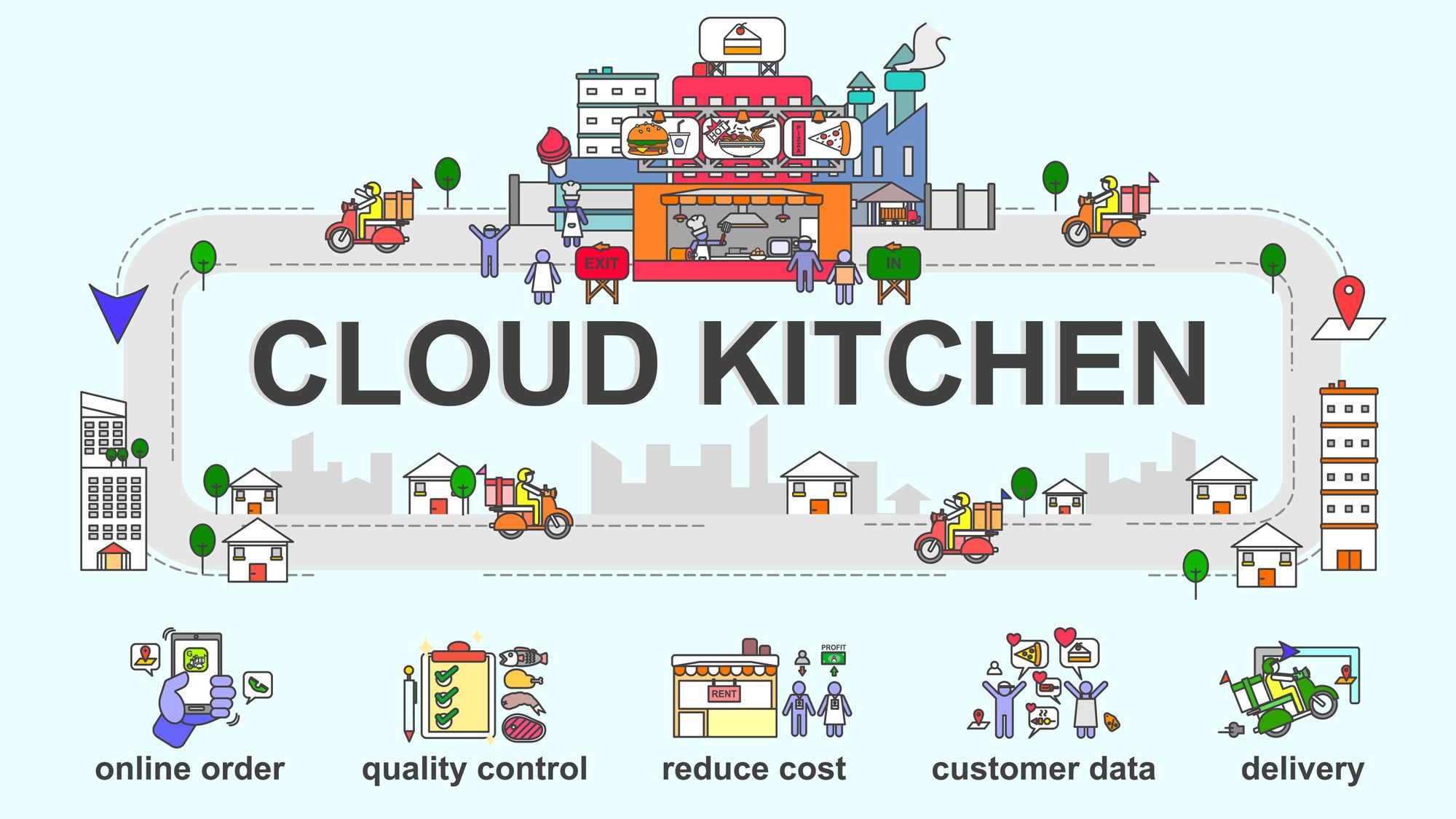
A cloud kitchen is a professional kitchen space designed specifically for preparing food for delivery rather than for in-house dining. Unlike traditional restaurants, cloud kitchens eliminate the need for expensive real estate in prime locations, extensive front-of-house staff, and dining area maintenance. Orders are received through online platforms, mobile apps, or delivery Cloud Kitchen Business partners, and food is prepared and dispatched directly to customers.
2. Why Cloud Kitchens are the Future
The growing demand for food delivery has made cloud kitchens a promising business model. With the rise of apps like UberEats, DoorDash, and Grubhub, consumers increasingly prefer convenient, home-delivered meals. Cloud kitchens reduce overhead costs, increase operational efficiency, and allow brands to scale quickly. Additionally, the flexibility of running multiple virtual brands from a single kitchen space maximizes profitability.
3. Advantages of Starting a Cloud Kitchen
a. Lower Startup Costs
Traditional restaurants require significant investments in prime locations, dining areas, and décor. Cloud kitchens eliminate these expenses, focusing only on the kitchen infrastructure, equipment, and staff needed for food preparation.
b. Flexibility and Scalability
Cloud kitchens allow operators to run multiple brands from a single kitchen, experimenting with menus and cuisines without Cloud Kitchen Business high-risk investments. This flexibility enables rapid expansion in new markets.
c. Data-Driven Operations
Digital ordering platforms provide valuable insights into customer preferences, popular dishes, peak order times, and delivery patterns. Cloud kitchens can leverage this data to Cloud Kitchen Business optimize menus, pricing, and marketing strategies.
d. Reduced Risk
Without the costs associated with a physical dining space, cloud kitchens face lower financial risk. If a menu or brand concept underperforms, adjustments can be made quickly without impacting overall operations.
4. Challenges of Cloud Kitchens
While cloud kitchens offer many advantages, there are also challenges to consider:
-
High Competition: The ease of entry has led to many operators entering the market, making differentiation crucial.
-
Delivery Dependence: Relying on third-party delivery platforms may reduce profit margins due to commission fees.
-
Brand Visibility: Without a physical storefront, marketing and online presence are essential to attract and retain customers.
5. Steps to Start a Successful Cloud Kitchen
a. Conduct Market Research
Identify target customers, analyze local demand, and study Cloud Kitchen Business competitors. Determine which cuisines and dishes are in demand and tailor your menu accordingly.
b. Choose the Right Location
Even though there’s no dine-in space, location matters. A central kitchen with easy access to delivery zones ensures faster delivery times and better food quality.
c. Build a Strong Online Presence
Invest in a professional website, social media profiles, and partnerships with delivery apps. Engaging visuals, clear menus, and customer reviews enhance credibility and attract orders.
d. Optimize Menu for Delivery
Design your menu with delivery in mind, focusing on dishes that travel well without losing taste or texture. Packaging should maintain food quality and provide a positive unboxing experience for customers.
e. Focus on Operations and Quality
Efficient kitchen operations, trained staff, and consistent food quality are key to customer retention. Fast preparation times and reliable delivery are essential in the competitive cloud kitchen market.
6. Future Trends in Cloud Kitchens
As the cloud kitchen market grows, several trends are shaping its future:
-
AI and Automation: From inventory management to predictive order analytics, technology is optimizing operations.
-
Sustainability: Eco-friendly packaging and ingredient Cloud Kitchen Business sourcing are becoming important for environmentally-conscious customers.
-
Virtual Brand Expansion: Cloud kitchens are experimenting with multiple virtual brands from a single kitchen to cater to diverse tastes.
-
Subscription Meal Services: Offering weekly or monthly meal plans is becoming popular for recurring revenue.
Conclusion
The cloud kitchen business represents a revolutionary shift in the food industry. With lower startup costs, operational efficiency, and the ability to leverage technology, cloud kitchens are an attractive option for entrepreneurs and established food brands.
While challenges like competition and reliance on delivery exist, the advantages and future growth potential make cloud kitchens a promising venture. By focusing on menu optimization, digital marketing, and operational excellence, cloud kitchens are poised to lead the food industry into a more flexible, technology-driven future.