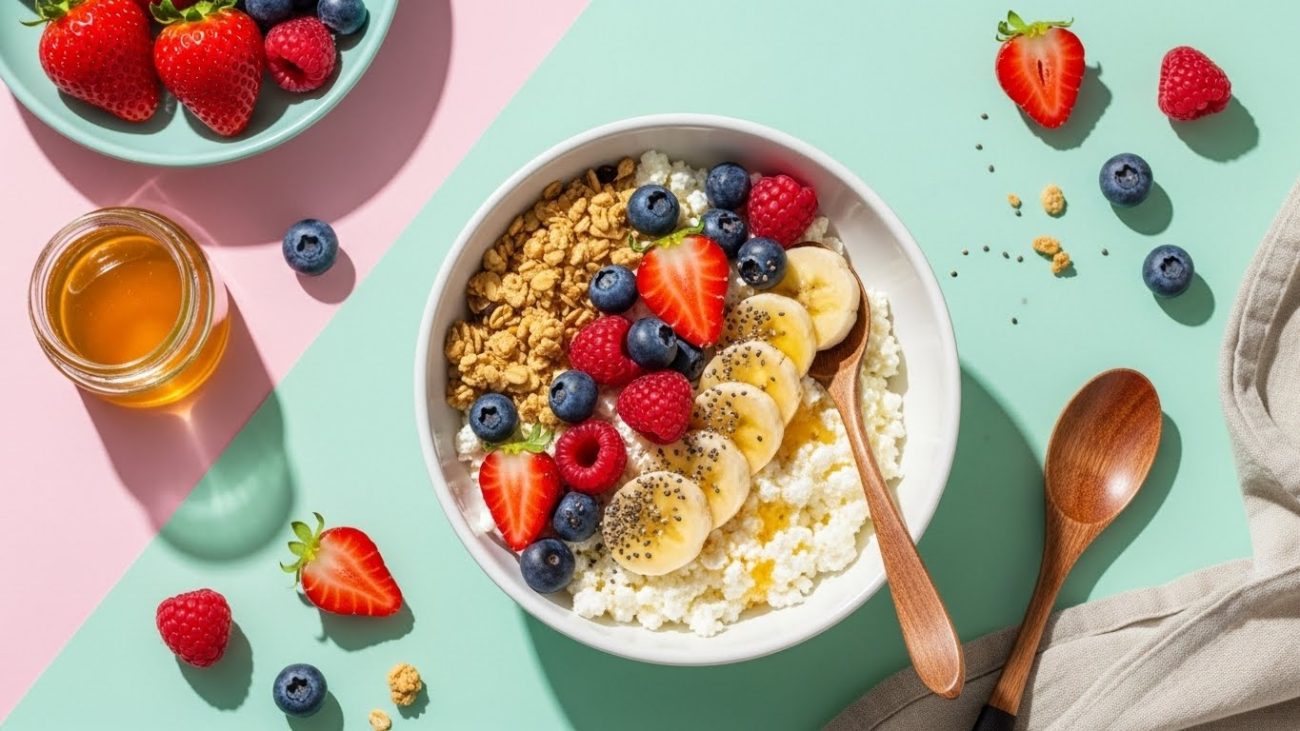
I never thought I’d see the day when cottage cheese would be considered cool.
Yet here we are in 2026, and cottage cheese has somehow become the trendiest food on the internet. My younger cousin texted me last week asking if I’d tried “cottage cheese ice cream” yet. My gym buddy won’t shut up about her cottage cheese toast. Even my extremely picky nephew—who survives on chicken nuggets and despair—is eating cottage cheese bowls.
What timeline are we living in? Let me explain how the blandest, lumpiest dairy product of all time became Gen Z’s food obsession.
The Numbers Don’t Lie: Cottage Cheese Has Exploded
Let’s start with some context. In 2023, cottage cheese sales were declining. The product was associated with sad dieters from the 1980s eating it with canned peaches while wearing leg warmers. It was your grandmother’s diet food, firmly uncool.
Then something shifted in late 2024. By January 2025, cottage cheese sales had increased 32% year-over-year. By summer 2025, some grocery stores couldn’t keep it in stock. Now in early 2026, the hashtag #cottagecheese has over 3 billion views on TikTok.
Three. Billion. Views. Of cottage cheese.
Major brands like Good Culture and Daisy have reported tripling their production. New cottage cheese startups are launching monthly. There are now cottage cheese protein bars, cottage cheese-based dips, and even cottage cheese protein water (which sounds disgusting but apparently tastes okay).
How Did This Happen? The Perfect Storm of Trends
Several cultural factors converged to make cottage cheese the unlikely star of 2026:
The Protein Obsession: Everyone is suddenly obsessed with protein intake. Fitness influencers, health coaches, and regular people are tracking protein macros. Cottage cheese delivers 14-16 grams of protein per serving, which is insane for a dairy product.
The “Girl Dinner” Evolution: Remember when “girl dinner” meant crackers, cheese, and olives? That evolved into more substantial but still easy meals. Cottage cheese bowls fit perfectly—quick, no cooking, customizable, and surprisingly satisfying.
Anti-Diet Culture: Gen Z is rejecting traditional diet culture, but they still want nutritious food. Cottage cheese provides nutrition without the restriction mindset. It’s not a diet food anymore; it’s just good food.
Texture Acceptance: Gen Z has been raised on boba, chia pudding, and kombucha. They’re not afraid of weird textures like previous generations. The cottage cheese lumps that grossed out Millennials don’t bother Gen Z at all.
According to food trend analysts at Food & Wine, cottage cheese represents a broader shift toward practical, high-protein foods that support active lifestyles without sacrificing taste or convenience.
The Viral Recipes That Started Everything
A few key recipes went viral and sparked the entire trend:
Cottage Cheese Ice Cream (180M views): Blend cottage cheese with frozen fruit and a sweetener. Freeze for an hour. The result tastes like ice cream but with 20g of protein. This one recipe probably moved the needle more than anything else. It made cottage cheese cool by disguising it as dessert.
I tried making this with strawberries and honey. Skeptical going in, genuinely impressed coming out. It doesn’t taste exactly like ice cream, but it’s close enough that your brain accepts it. The texture is creamy once blended, and the protein keeps you full for hours.
Cottage Cheese Toast (95M views): Spread cottage cheese on toasted sourdough, top with everything bagel seasoning, tomatoes, and microgreens. Sounds basic, but it’s actually delicious. The cottage cheese works like ricotta or cream cheese, but with way more protein.
This has become my go-to quick breakfast. Takes three minutes, tastes good, keeps me satisfied until lunch. Add a fried egg on top and it’s legitimately restaurant-quality.
Cottage Cheese Pasta Sauce (120M views): Blend cottage cheese with garlic, parmesan, and pasta water to create a creamy sauce. Lower calorie than alfredo, higher protein, takes five minutes. Game changer for weeknight dinners.
The genius here is that it provides creaminess without heavy cream. Toss it with pasta, add some vegetables, and you have a balanced meal that tastes indulgent but isn’t. Similar to how simple techniques elevate basic ingredients, blending cottage cheese transforms its texture completely.
Cottage Cheese Breakfast Bowl (200M views): The big one. Cottage cheese as a base topped with fruit, granola, honey, nuts, and whatever else you want. It’s basically a yogurt bowl but with more protein and more volume for the same calories.
This trend alone probably accounts for 50% of the cottage cheese boom. Instagram and TikTok are flooded with aesthetic breakfast bowls featuring cottage cheese. The curds photograph well (weirdly), and the customization options are endless.
The Influencer Effect: When Fitness Meets Food
Several major fitness influencers championed cottage cheese early, which gave it credibility with younger audiences:
Fitness creator Noel Deyzel posted about his cottage cheese bowls daily, showing his 5 million followers that bodybuilders eat it. Suddenly, cottage cheese wasn’t diet food—it was gym food, which is way cooler.
Health influencer Claudia Sulewski created a “cottage cheese reset” series, sharing different ways to eat it throughout the day. Her audience (mostly Gen Z women) immediately adopted cottage cheese as a staple.
Even some mainstream celebrities got on board. Hailey Bieber posted a cottage cheese bowl to her story. Glen Powell mentioned eating cottage cheese pasta in an interview. When celebrities casually incorporate a food into their lives without making it A Thing, it normalizes it fast.
The Science: Why Cottage Cheese Actually Works
Beyond the hype, there are legitimate reasons cottage cheese works for modern lifestyles:
High Protein, Low Calories: One cup of low-fat cottage cheese has 163 calories and 28 grams of protein. That’s an insane protein-to-calorie ratio. For comparison, Greek yogurt has about 17 grams of protein for similar calories.
Casein Protein: Cottage cheese is high in casein, a slow-digesting protein. This means it keeps you full longer than whey protein (found in most protein shakes). Eating it before bed can actually support overnight muscle recovery.
Versatility: You can eat it sweet or savory, as a meal or a snack, blended smooth or left chunky. Few foods are this adaptable.
Low Sugar: Unlike flavored yogurts that can have 15-20g of sugar, plain cottage cheese has only about 6g from natural milk sugars. You control the sweetness by adding your own toppings.
Budget-Friendly: Compared to meat, protein powder, or specialty health foods, cottage cheese is relatively cheap. A large container costs $3-5 and provides multiple servings.
For nutritional information and health benefits of dairy products, Harvard Health provides evidence-based research on protein sources and their role in balanced diets.
The Texture Debate: Still a Dealbreaker for Some
Not everyone is on board. The texture of cottage cheese remains controversial, even among its newfound fans. Some people genuinely cannot get past the lumps.
The solution many have found: blend it. Blended cottage cheese becomes completely smooth, like thick Greek yogurt or ricotta. You get all the benefits without the textural issues. Several brands now sell “smooth” cottage cheese pre-blended.
I was firmly in the texture-hater camp until I tried blending it. Now I get it. Smooth cottage cheese tastes like slightly tangy cream cheese, and I’ve completely replaced ricotta with it in most recipes.
For people who like the texture (yes, they exist), the lumps provide a satisfying chew. One friend described it as “fun to eat” because each bite has texture variation. To each their own, I guess.
Beyond the Bowl: Creative Cottage Cheese Applications
Once people got comfortable with cottage cheese, they started experimenting. Now there are hundreds of creative applications:
Cottage Cheese Flatbread: Mix cottage cheese, eggs, and flour to make high-protein flatbread. Tastes surprisingly normal and provides 20g protein per serving.
Cottage Cheese Ranch: Blend cottage cheese with ranch seasoning instead of using sour cream and mayo. Lower calorie, higher protein, tastes essentially identical.
Cottage Cheese Pancakes: Replace some flour with blended cottage cheese in pancake batter. Fluffier, more protein, and you can barely taste the difference.
Cottage Cheese Baking: Use it in place of butter or oil in muffins and quick breads. Adds moisture and protein while cutting fat.
Cottage Cheese Dips: Blend it with herbs, spices, or other ingredients for vegetable dips. Works like sour cream but with way better macros.
Similar to how trending food innovations often involve creative applications of traditional ingredients, cottage cheese is being reinvented for modern eating styles.
The Brand Wars: Everyone Wants In
Established cottage cheese brands are scrambling to keep up with demand while new entrants flood the market:
Good Culture has tripled their product line, adding flavored varieties and cottage cheese-based dips. Their “chunky” version (extra curds) was specifically designed for Gen Z who said they wanted more texture.
Daisy launched a social media campaign featuring young athletes and influencers. They’re repositioning from “diet food” to “performance food.”
New brands like Muuna and Nancy’s have entered the market with organic, probiotic, and specialty versions. Premium cottage cheese is apparently a thing now, with some varieties costing $7-8 per container.
Even non-dairy brands are getting into cottage cheese alternatives. Almond milk cottage cheese, coconut milk cottage cheese—they’re all hitting shelves. I’ve tried several plant-based versions. They’re… fine. Not quite the same, but acceptable if you’re avoiding dairy.
The Cost of Being Trendy: Prices Have Increased
Here’s the downside of cottage cheese’s popularity: it’s gotten more expensive. A year ago, you could get a large container for $2.50. Now it’s more like $4-5 for the same size, and premium brands can cost even more.
Supply hasn’t caught up with demand yet. Dairy producers didn’t see this coming (who would have?), so there’s been a temporary shortage that’s driven prices up. Economists say prices should normalize by late 2026 as production increases.
For now, if you’re on a tight budget, cottage cheese might not be the protein hack it once was. Eggs, chicken thighs, and beans remain cheaper protein sources per gram.
The Backlash Has Begun (Of Course It Has)
As with any food trend, the contrarian takes are starting to emerge:
“Cottage cheese is still gross, you’re just in denial.” Fair point, but also, let people enjoy things?
“This is just diet culture in disguise.” Some argue that the obsession with protein and macros is just restrictive eating with a new name. There’s probably some truth to this, though I think most people are genuinely using it for convenience rather than restriction.
“It’s environmentally no better than other dairy.” True. If you care about environmental impact, all dairy has similar issues. Plant-based proteins remain the more sustainable choice.
“The trend will die in six months.” Maybe? But I think this one has staying power because the benefits are real. It’s not like bizarre viral trends that are more aesthetic than practical.
Regional Variations: Cottage Cheese Around the World
Interestingly, cottage cheese hasn’t just blown up in the US. The trend has spread internationally:
UK: They call it “cottage cheese” but also “curd cheese.” The trend started slightly later but is now huge there too. British TikTok is filled with cottage cheese recipes.
Australia: Aussies are mixing cottage cheese with Vegemite (I know, I know) for a savory spread. It apparently works? I haven’t been brave enough to try.
Germany: Quark, which is similar to cottage cheese, has always been popular there. Now they’re importing American-style cottage cheese because young Germans want the “authentic” version they see online.
Japan: Japanese food companies have started producing cottage cheese specifically for the local market. It’s being marketed as a Western health food, which gives it cache.
My Personal Cottage Cheese Journey
I’ll be honest—six months ago, I thought cottage cheese was disgusting. The texture grossed me out, and I associated it with sad diet culture from my mom’s generation.
But after seeing it everywhere and hearing from people I trust that it was actually good, I gave it a fair shot. Started with the cottage cheese ice cream recipe because that felt least intimidating. Liked it. Tried the toast. Liked that too. Now I eat cottage cheese 4-5 times per week.
What converted me wasn’t the trend itself—it was realizing cottage cheese solves a real problem I have. I’m always trying to eat enough protein, I’m often short on time, and I don’t always want to cook. Cottage cheese checks all those boxes.
I still won’t eat it straight from the container with a spoon like some people do. That’s a bridge too far. But mixed into things or blended smooth? Yeah, I’m fully on board.
Is This Trend Actually Sustainable?
The big question: Will cottage cheese still be popular in a year? Two years? Or is this a flash-in-the-pan trend that’ll fade like so many others?
My prediction: This one sticks around, at least partially. Here’s why:
The benefits are real. Unlike purely aesthetic food trends, cottage cheese provides tangible nutritional value. People will keep eating it because it works for their goals.
It’s actually convenient. No prep required. This matters for busy people who want nutrition without effort.
The recipes are genuinely good. These aren’t forcing cottage cheese where it doesn’t belong. These applications actually make sense and taste good.
Multiple demographics are buying in. It’s not just Gen Z—Millennials, Gen X, and even some Boomers are rediscovering cottage cheese. Broad adoption suggests staying power.
That said, the hype will definitely calm down. We won’t see 3 billion TikTok views this time next year. But cottage cheese will likely maintain a significantly higher market share than it had pre-trend.
Should You Jump on the Cottage Cheese Train?
If you’re still on the fence, here’s my advice:
Try it if: You’re looking for easy protein sources, you like creamy textures, you want low-effort meal ideas, or you’re just curious about the hype.
Skip it if: You genuinely hate dairy textures and have tried blended versions, you have dairy sensitivities, or you’re just contrarian about trends (which is valid).
How to start: Begin with the ice cream recipe. It’s the most approachable entry point. If you like that, try a breakfast bowl. Then experiment from there.
What to buy: Start with low-fat (not fat-free—it tastes better and the little bit of fat helps with satiety). Good Culture and Daisy are reliable brands. Avoid anything labeled “diet” or “light”—they add weird fillers.
The worst case scenario? You’re out $4 and you confirmed you don’t like cottage cheese. Best case? You discovered a convenient, affordable protein source that fits easily into your life.
Have you tried the cottage cheese trend yet? Are you a convert, a skeptic, or somewhere in between? I’m genuinely curious how long this trend will last!
