The rise of food delivery apps has dramatically changed the restaurant industry over the past decade. Platforms like UberEats, DoorDash, Grubhub, and Deliveroo Food Delivery Apps have reshaped how customers order meals, creating new Food Delivery Apps opportunities and challenges for restaurants. Understanding the impact of these apps is crucial for restaurant owners who want to stay competitive and profitable in an increasingly digital food landscape.
1. Increased Customer Reach
One of the most significant benefits of food delivery apps is the ability to reach a broader customer base. Restaurants can now attract diners who may not have visited their physical location, including those from nearby neighborhoods or even across town. Delivery apps act as a marketing tool, promoting restaurants to users through search features, ratings, and personalized recommendations. This expanded reach can boost sales and increase brand visibility without additional marketing expenses.
2. Convenience for Customers
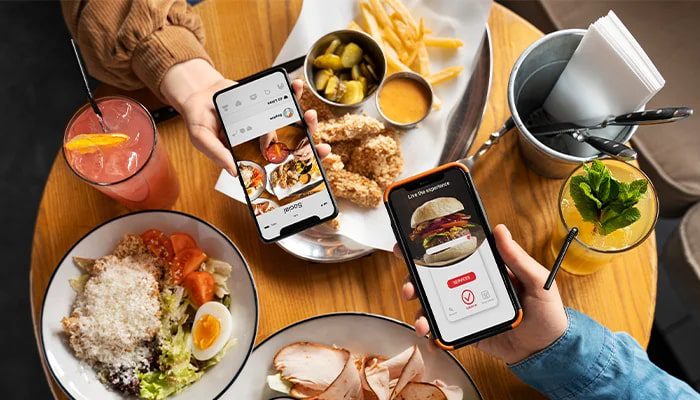
Food delivery apps provide unparalleled convenience for customers. With just a few taps on a smartphone, diners can order food from a wide range of restaurants and have it delivered to their doorstep. This convenience has changed consumer behavior, with more Food Delivery Apps people opting for delivery over dining in. Restaurants that adapt to this trend can capitalize on the growing demand for quick and accessible meals.
3. Revenue Growth Opportunities
For many restaurants, partnering with delivery apps can significantly increase revenue. Restaurants can generate additional income without investing in a larger dining space or hiring more front-of-house staff. Some restaurants even launch “virtual brands” exclusively for delivery, using the same kitchen to prepare meals under multiple names and menus. This strategy maximizes kitchen efficiency and expands revenue streams.
4. Increased Competition
While delivery apps offer opportunities, they also introduce increased competition. Diners can browse multiple restaurants in their area and compare menus, reviews, and prices. This competition encourages restaurants to maintain high-quality food, competitive pricing, and excellent customer service. Standing out on a crowded platform requires careful menu design, appealing food photography, and positive reviews to attract more orders.
5. Impact on Profit Margins
One of the biggest challenges restaurants face with food delivery apps is reduced profit margins. Most platforms charge commission fees ranging from 15% to 30% per order. While the additional sales volume can offset some of these costs, restaurants must carefully manage pricing, portion sizes, and operational efficiency to maintain profitability. Some restaurants negotiate lower fees with apps or encourage direct ordering through their own website to reduce costs.
6. Shift in Restaurant Operations
Food delivery apps have also changed how restaurants operate. Kitchens must prioritize packaging, delivery times, and menu items suitable for transport. Restaurants often streamline their menus to focus on dishes that travel well without compromising taste or presentation. Staff may need additional training to ensure that food arrives hot, fresh, and visually appealing, preserving the dining experience for delivery customers.
7. Marketing and Brand Exposure
Delivery apps provide built-in marketing tools that restaurants can leverage. Features like ratings, reviews, promotional banners, and app notifications can increase visibility and attract new customers. High ratings and positive reviews on delivery platforms enhance brand reputation and encourage repeat orders. Many restaurants also use app analytics to track customer preferences, popular dishes, and peak order times to optimize menus and promotions.
8. Customer Feedback and Insights/Food Delivery Apps
Food delivery apps offer restaurants valuable insights into Food Delivery Apps customer behavior. Reviews and ratings provide immediate feedback on menu items, packaging, and service quality. Restaurants can use this data to make improvements, innovate menu options, and enhance the overall customer experience. Understanding delivery trends also helps restaurants plan staffing, inventory, and operational strategies more effectively.
9. The Future of Delivery Apps and Restaurants
The influence of food delivery apps is expected to grow in the coming years. Integration with AI, predictive ordering, and subscription-based services will further streamline the delivery process and enhance customer personalization. Restaurants that embrace technology, optimize their menus for delivery, and maintain high-quality food standards are likely to thrive in this evolving landscape.
Conclusion
Food delivery apps have had a profound impact on the restaurant industry, creating opportunities for increased revenue, broader reach, and Food Delivery Apps customer convenience. At the same time, they introduce challenges such as reduced profit margins and heightened competition.
Restaurants that adapt to these changes—by optimizing operations, leveraging technology, and maintaining quality—can harness the power of delivery apps to grow their business. As digital ordering becomes an essential part of modern dining, understanding and embracing food delivery platforms is crucial for long-term success in the restaurant industry.