If you’ve ever wanted to bake authentic artisan bread at home, this sourdough starter recipe is your first step. With just flour and water, you can create a natural wild yeast culture that will help you bake flavorful, crusty sourdough bread without commercial yeast.
Making your own homemade sourdough starter may seem intimidating at first, but it’s actually simple. All it requires is patience, consistency, and a little daily care.
Let’s walk through the process step by step so you can build a strong, active starter from scratch.
What Is a Sourdough Starter?
A sourdough starter is a fermented mixture of flour and water that captures wild yeast and beneficial bacteria from the environment. Over time, this mixture becomes bubbly and active, acting as a natural leavening agent for bread.
Unlike commercial yeast, sourdough fermentation develops deeper flavor and improved texture.
According to King Arthur Baking, sourdough relies on natural fermentation rather than packaged yeast, giving bread its signature tang and chewy crumb:
https://www.kingarthurbaking.com/learn/guides/sourdough
This natural process is what makes sourdough bread unique and highly popular.
Ingredients for Sourdough Starter Recipe
You only need two simple ingredients:
- 1 cup all-purpose flour (or whole wheat flour)
- ½ cup filtered water (room temperature)
That’s it. No yeast, no sugar, no special additives.
Equipment You’ll Need
- Glass jar or container
- Wooden or silicone spoon
- Kitchen scale (recommended for accuracy)
- Clean cloth or loose lid
Using a kitchen scale gives better consistency. Serious Eats explains why precise measurements improve baking results:
https://www.seriouseats.com/why-you-should-use-a-kitchen-scale
Day-by-Day Step-by-Step Method
This process takes about 5–7 days.
Day 1: Mix
In a clean jar:
- Combine 1 cup flour
- Add ½ cup water
Stir until smooth. Scrape down sides.
Cover loosely and leave at room temperature (70–75°F).
Day 2: Check for Activity
You may see small bubbles forming. That’s a good sign.
Discard half of the mixture.
Feed with:
- ½ cup flour
- ¼ cup water
Mix well and cover again.
Day 3–4: Feed Daily
Discard half the starter daily and feed with fresh flour and water.
You should start noticing:
- More bubbles
- Slight sour smell
- Increase in volume
The smell may be mildly tangy. That’s normal fermentation.
Day 5–7: Active Starter Ready
Your starter is ready when:
- It doubles in size within 4–6 hours after feeding
- It smells pleasantly sour
- It passes the float test (a spoonful floats in water)
Once active, you can use it in sourdough bread recipes.
Chef Tips for a Strong Sourdough Starter
1. Use Filtered Water
Chlorine in tap water may slow fermentation.
2. Keep It Warm
Ideal temperature is 70–75°F. Too cold slows growth.
3. Use Whole Wheat for Faster Results
Whole wheat flour contains more natural yeast and nutrients.
4. Be Patient
Sometimes it takes 7–10 days depending on environment.
5. Don’t Seal Tightly
Starter produces gas. Always cover loosely.
How to Maintain Your Starter
Once active, you have two options:
Daily Use (Room Temperature)
Feed every 24 hours.
Occasional Use (Refrigerator)
Store in fridge and feed once per week.
Before baking:
- Remove from fridge
- Feed
- Let sit 4–6 hours until bubbly
Health Benefits of Sourdough Fermentation
Sourdough fermentation may improve digestion and nutrient absorption.
According to Healthline, sourdough fermentation can reduce phytic acid, making minerals more bioavailable:
https://www.healthline.com/nutrition/sourdough-bread
It may also have a lower glycemic index compared to some commercial breads.
Common Problems & Solutions
Starter Not Bubbling
- Room too cold
- Try warmer spot
- Switch to whole wheat flour
Bad Smell
Mild sour is normal. Rotten smell means discard and restart.
Mold on Top
If you see fuzzy mold (green, black, pink), discard immediately.
Liquid on Top (Hooch)
Gray liquid means it’s hungry. Stir it in or pour off and feed.
Popular Variations
Adding variation improves SEO and reader value.
Rye Flour Starter
Ferments faster and develops stronger flavor.
Gluten-Free Starter
Use gluten-free flour blends.
Dehydrated Starter Storage
Spread thin layer, dry completely, and store in airtight container.
How to Use Your Sourdough Starter
Once ready, you can use it for:
- Artisan sourdough bread
- Sourdough pizza dough
- Pancakes
- Waffles
- Crackers
For more homemade baking ideas, explore additional recipes at mus1i.com.
Frequently Asked Questions (FAQ)
1. How long does sourdough starter last?
With proper feeding, it can last indefinitely.
2. Do I need special flour?
No, but whole wheat or rye helps start fermentation faster.
3. Why discard half each day?
It prevents overgrowth and maintains balance.
4. Can I skip feeding a day?
If refrigerated, yes. At room temperature, daily feeding is best.
5. Is sourdough healthier than regular bread?
Some studies suggest improved digestibility, but it depends on overall diet.
Healthy Starter Checklist
- Use a clean jar, weigh flour and water consistently, and mark the starter’s level after feeding.
- Keep a loose lid so gas can escape while protecting the mixture from debris.
- Discard starter showing pink, orange, or fuzzy mold; do not try to rescue contaminated starter.
- Once active, feed on a predictable schedule and refrigerate only after the culture is established.
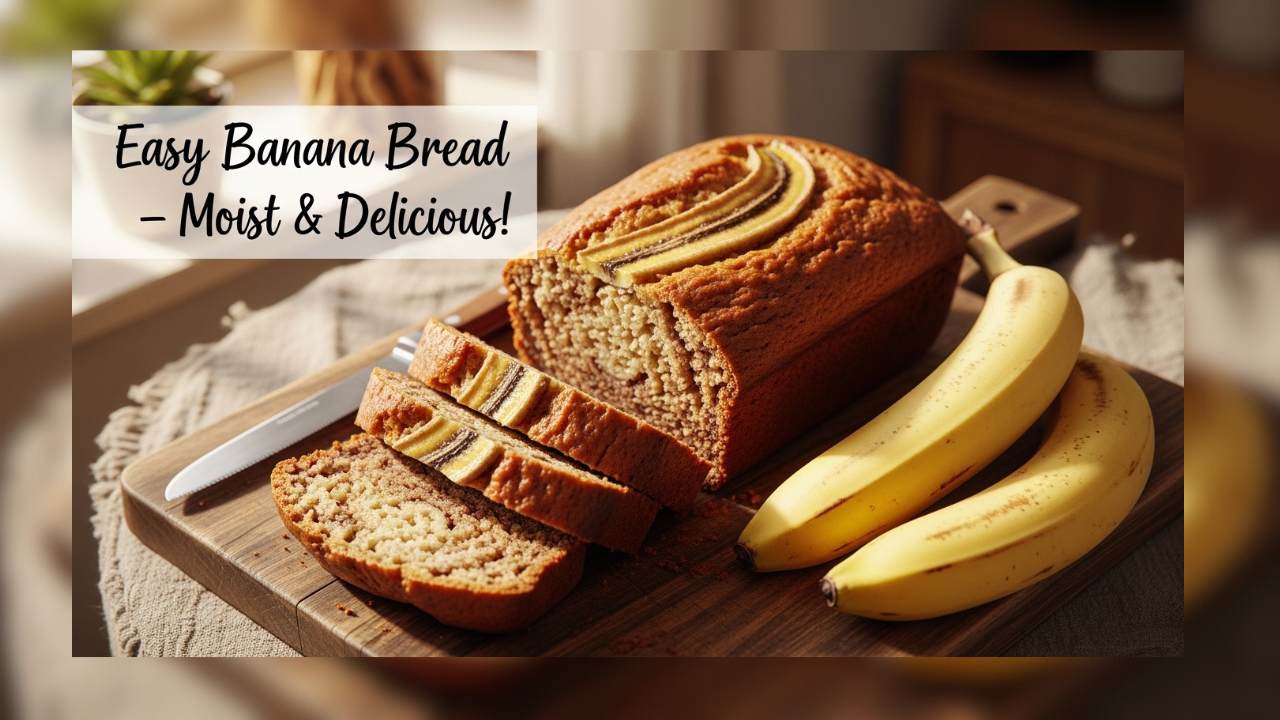
Use an active culture in our sourdough bread, or explore banana bread and pancakes.
Final Thoughts
This easy and reliable sourdough starter recipe is the foundation of incredible homemade bread. With just flour, water, and patience, you can create a living culture that produces flavorful, artisan-quality loaves.
While the process takes several days, the reward is worth it. Once your starter becomes active and bubbly, it opens the door to endless baking possibilities.
If you’re passionate about homemade baking and traditional methods, explore more beginner-friendly recipes on mus1i.com and start your sourdough journey today.