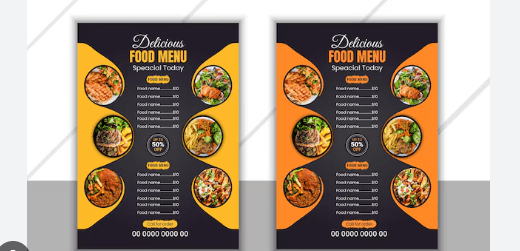
Your restaurant menu is more than just a list of dishes—it’s a powerful marketing tool that can influence customer decisions, increase sales, and enhance the overall dining experience. A well-designed menu not only showcases your offerings Restaurant but also reflects your brand and encourages diners to try your most profitable items. Here are essential restaurant menu design tips that attract customers and boost revenue.
1. Keep It Simple and Restaurant Organized
Cluttered menus can overwhelm customers and make it difficult for them to choose. Organize your menu into clear sections such as appetizers, main courses, desserts, and beverages. Use headings, spacing, and dividers to make it easy for diners to navigate. A simple, organized layout helps customers focus on your offerings and improves their overall dining experience.
2. Highlight Signature and Profitable Dishes
Draw attention to your most popular or high-margin items by using visual cues like boxes, borders, icons, or a different font style. Customers are naturally drawn to highlighted items, which can increase sales of your signature dishes. For example, a “Chef’s Special” section or a “Most Popular” icon can subtly guide diners toward your best offerings.
3. Use Descriptive and Appealing Language
Words matter when it comes to menus. Use descriptive, mouth-watering language that engages the senses and creates anticipation. Instead of “Grilled Chicken,” try “Herb-Marinated Grilled Chicken with Garlic Butter.” Highlight unique ingredients, cooking methods, or cultural origins to make dishes more appealing and memorable.
4. Focus on Readability
No matter how creative your menu is, readability is crucial. Choose fonts that are easy to read and use a font size that works for all customers. Avoid overly decorative or small fonts, as they can frustrate diners. High contrast between text and background also improves visibility and ensures customers can read the menu effortlessly.
5. Include High-Quality Images Sparingly
Images can boost appetite and help customers visualize their meal, but they should be used strategically. Focus on photographing your best-selling or signature dishes, and ensure images are high-quality and professionally taken. Avoid overcrowding the menu with too many pictures, as this can make it look cheap or cluttered.
6. Incorporate Pricing Strategies
Pricing plays a crucial role in menu design. Avoid using dollar signs, as they can emphasize cost rather than value. Consider psychological pricing, such as pricing items slightly below a round number ($9.95 instead of $10). Grouping complementary items or creating combo deals can also encourage customers to spend more while feeling like they’re getting a good deal.
7. Maintain Consistent Branding
Your menu should reflect your restaurant’s identity, from colors and fonts to tone of language. A consistent theme reinforces your brand and creates a cohesive dining experience. Whether your restaurant is casual, fine dining, or family-friendly, the menu design should match the atmosphere and overall concept.
8. Use Strategic Menu Layout Techniques
Studies show that customers often focus on the top-right and top-left areas of a menu first. Place high-profit or signature dishes in these “prime” spots. Additionally, using boxes, borders, or icons around select items can guide the customer’s attention and subtly influence their choices.
9. Make It Easy to Update
Menus should be flexible enough to accommodate seasonal changes, new dishes, or price updates. Consider using digital menus or menu boards that can be updated quickly without incurring high printing costs. This flexibility also allows you to test different layouts, promotions, or featured dishes to see what resonates with your customers.
10. Test and Gather Feedback
Finally, test your menu with staff and customers before finalizing it. Observe which items are popular, ask for feedback on readability and appeal, and adjust accordingly. Regular updates based on customer preferences and sales data ensure your menu remains effective in attracting diners and driving revenue.
Conclusion
A well-designed restaurant menu is a key factor in attracting customers and increasing sales. By keeping it simple, highlighting signature dishes, using descriptive language, and incorporating strategic pricing and layout techniques, you can create a menu that not only showcases your offerings but also entices diners to try more.
Investing time and effort in menu design is an investment in your restaurant’s success. Follow these tips to create a menu that reflects your brand, appeals to customers, and maximizes revenue—proving that a thoughtfully designed menu can be as important as the food itself.
