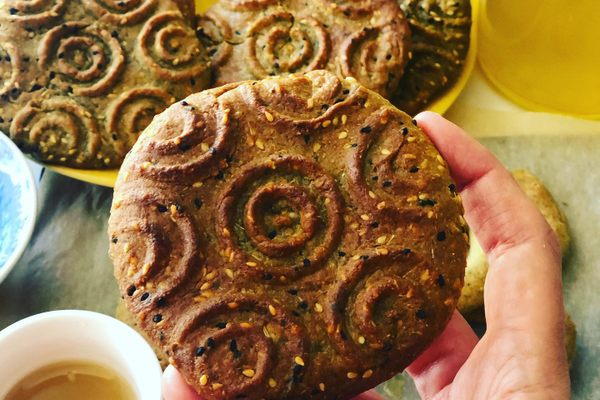
Every home cook has a moment that tests their patience, confidence, and love for the kitchen. For me, that moment came disguised Kitchen Dispatch as something simple—bread. What began as an innocent attempt to bake a rustic loaf turned into a lesson in humility, persistence, and respect for the craft. This is the story of the bread that almost broke me.
The Confidence Before the Storm
I started with confidence bordering on arrogance. After all, how hard could bread be? Flour, water, yeast, salt—four ingredients that have fed humanity for Kitchen Dispatch centuries. I had watched countless videos, read recipes, and convinced myself that instinct would carry me through. Armed with a mixing bowl and optimism, I dove in without fully understanding what I was getting into.
When Dough Becomes a Demanding Teacher
The first sign of trouble came quickly. The dough was sticky—far stickier than expected. I added flour, then more flour, trying to force it into submission. Instead, it fought back, clinging to my hands and counter like it had a will of its own. What I didn’t realize then was that bread dough doesn’t respond well to force. It demands patience, not control.
Yeast: The Invisible Saboteur
If there is one ingredient capable of crushing a baker’s spirit, it’s yeast. Too cold, and it sleeps. Too hot, and it dies. Mine, apparently, chose rebellion. The dough barely rose, sitting there like a quiet accusation. I stared at it for hours, questioning my measurements, my timing, and eventually, my life choices. The kitchen, once comforting, felt judgmental.
The Emotional Toll of Failure
There’s something deeply personal about bread. When it fails, it doesn’t feel like a simple cooking mistake—it feels like rejection. I followed the steps, waited patiently, and still ended up with a dense, lifeless loaf. Cracking it open revealed a tight crumb and a heavy heart. I considered throwing it away, along with the idea that I could ever master this.
Starting Again, Slower This Time
After a day of sulking, I returned—not with confidence, but with curiosity. This time, I respected the process. I weighed ingredients instead of guessing. I let the dough rest instead of rushing it. I learned that gluten develops with time, not effort, and that fermentation is a conversation, not a command. Slowly, the dough began to change—and so did I.
Understanding the Language of Bread
Bread speaks, quietly. A soft bounce when Kitchen Dispatch pressed, bubbles forming beneath the surface, a subtle sour aroma—these are signs of life. I learned to listen instead of panic. I stopped watching the clock and started watching the dough. The kitchen became less of a battlefield and more of a classroom.
The Moment Kitchen Dispatch It Finally Worked
The day the bread finally worked, I knew before I cut into it. The crust crackled as it cooled. The loaf felt light, alive. Inside, open air pockets told a story of proper fermentation and care. It wasn’t perfect—but it was real bread, and I had made it. The victory wasn’t loud, but it was deeply satisfying.
Lessons Beyond the Loaf
That bread taught me more than baking ever could. It taught me patience in a world obsessed with speed. It reminded me that failure isn’t final—it’s instructional. Most of all, it showed me that mastery begins with humility. Bread doesn’t reward shortcuts; it rewards attention, time, and respect.
Final Thoughts from the Kitchen
The bread that almost broke me ended up building something stronger—confidence grounded in understanding, not ego. Now, every Kitchen Dispatch loaf feels like a quiet partnership between me and the process. And while I still fail sometimes, I no longer see failure as defeat. In the kitchen, as in life, the hardest lessons often rise the best.
