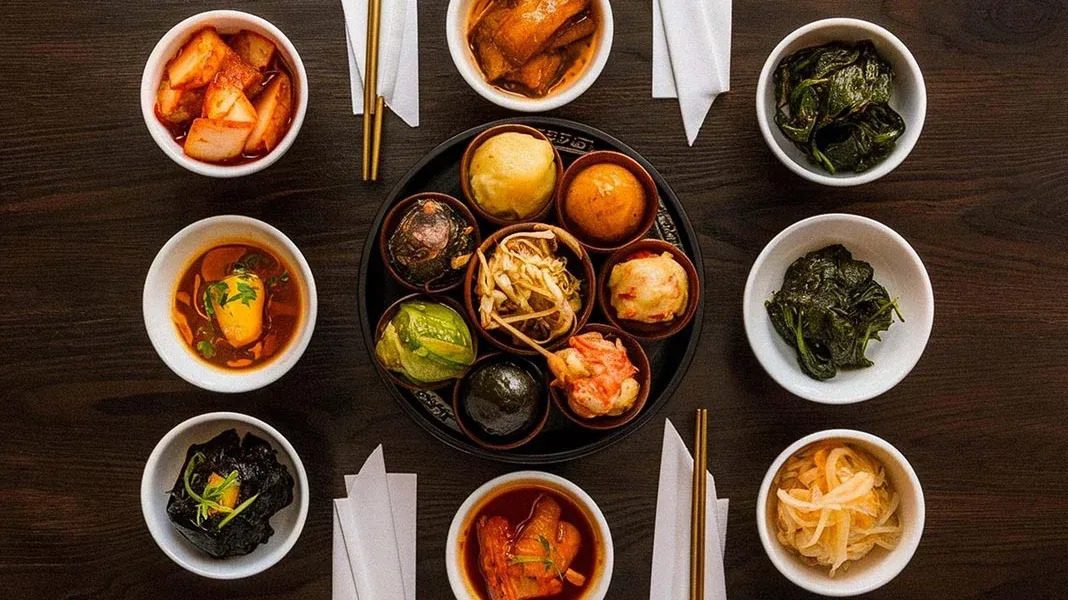
Asian cuisine is known for its rich history, bold flavors, and diverse ingredients. Traditional Chinese and Korean recipes have been enjoyed for centuries, but modern chefs are now reinventing them with contemporary techniques and Traditional Korean creative presentations. Whether you’re a home cook or a food enthusiast, exploring these dishes allows you to enjoy classic flavors while experimenting with new twists. Here’s a guide to traditional Korean and Chinese recipes with a modern twist you’ll love.
Modern Chinese Recipes
1. Kung Pao Chicken with Quinoa Traditional Korean
Kung Pao Chicken is a classic Sichuan dish loved for its sweet, sour, and spicy flavor. To give it a modern twist, try serving it with quinoa instead of rice. Quinoa adds a nutty flavor and boosts the protein content, making the dish healthier without compromising its signature taste.
2. Mapo Tofu Lettuce Wraps
Mapo Tofu is traditionally served over steamed rice. Modern versions use crisp lettuce leaves as a wrap, adding a fresh crunch and making it low-carb. Combine soft tofu, ground pork, and chili bean paste inside the lettuce for a flavorful, handheld meal.
3. Sweet and Sour Cauliflower
Instead of fried pork, try using roasted cauliflower for a Traditional Korean vegetarian-friendly twist on Sweet and Sour Pork. Toss roasted cauliflower in the classic sweet and sour sauce with bell peppers and pineapple. It’s lighter, nutritious, and just as tasty.
4. Deconstructed Hot and Sour Soup
This contemporary take separates the ingredients for visual appeal while maintaining the traditional flavors. Serve tofu, mushrooms, bamboo shoots, and broth in a layered presentation, adding a modern aesthetic to a classic Chinese recipe.
5. Szechuan Noodle Bowls
Traditional Szechuan noodles are stir-fried. Modern Traditional Korean versions can be served as noodle bowls with fresh vegetables, soft-boiled eggs, and a drizzle of chili oil. It’s a vibrant and Instagram-worthy way to enjoy bold, spicy flavors.
Modern Korean Recipes
6. Kimchi Tacos
Kimchi is Korea’s iconic fermented cabbage dish. For a modern twist, use it as a topping for tacos. Pair kimchi with grilled chicken, pork, or tofu for a fusion of flavors that blends Korean spice with a handheld Mexican-inspired meal.
7. Bibimbap Grain Bowls
Bibimbap is traditionally served in a stone bowl. Modern versions use alternative grains like farro, brown rice, or cauliflower rice. Top with sautéed vegetables, protein of choice, and gochujang sauce for a healthy, visually appealing dish.
8. Bulgogi Sliders
Bulgogi is thinly sliced, marinated beef. Modernize it by turning it into sliders with pickled vegetables and spicy mayo. These bite-sized versions are perfect for parties or casual dinners while keeping the savory-sweet flavor intact.
9. Tteokbokki Pizza
Tteokbokki, the spicy rice cake dish, can be reinvented as a pizza topping. Spread gochujang sauce on a pizza base, top with mozzarella, sliced rice cakes, vegetables, and a sprinkle of sesame seeds. Bake until melted for a creative fusion of Korean and Italian flavors.
10. Soy Sauce Egg Deviled Eggs
Traditional Korean Soy Sauce Eggs are marinated in a sweet-savory soy mixture. For a modern twist, make deviled eggs using the marinated yolks mixed with mayonnaise and sesame oil. Garnish with green onions or chili flakes for an elegant appetizer.
Tips for Modernizing Traditional Recipes
-
Experiment with Ingredients: Swap proteins, grains, or vegetables while maintaining core flavors.
-
Presentation Matters: Modern twists often include plating that’s visually appealing. Use bowls, wraps, or deconstructed elements.
-
Healthier Options: Use steaming, roasting, or lettuce wraps to reduce calories while keeping flavors intact.
-
Fusion is Fun: Combine traditional Korean or Chinese ingredients with global cuisines for unique dishes.
Exploring traditional Korean and Chinese recipes with a modern twist allows you to enjoy the best of both worlds—authentic flavors combined with innovative Traditional Korean ideas. From kimchi tacos to Kung Pao Chicken with quinoa, these dishes bring creativity and health-conscious choices into your kitchen. Whether cooking for family, friends, or yourself, these recipes are a delicious way to experience the evolving flavors of Asia.
