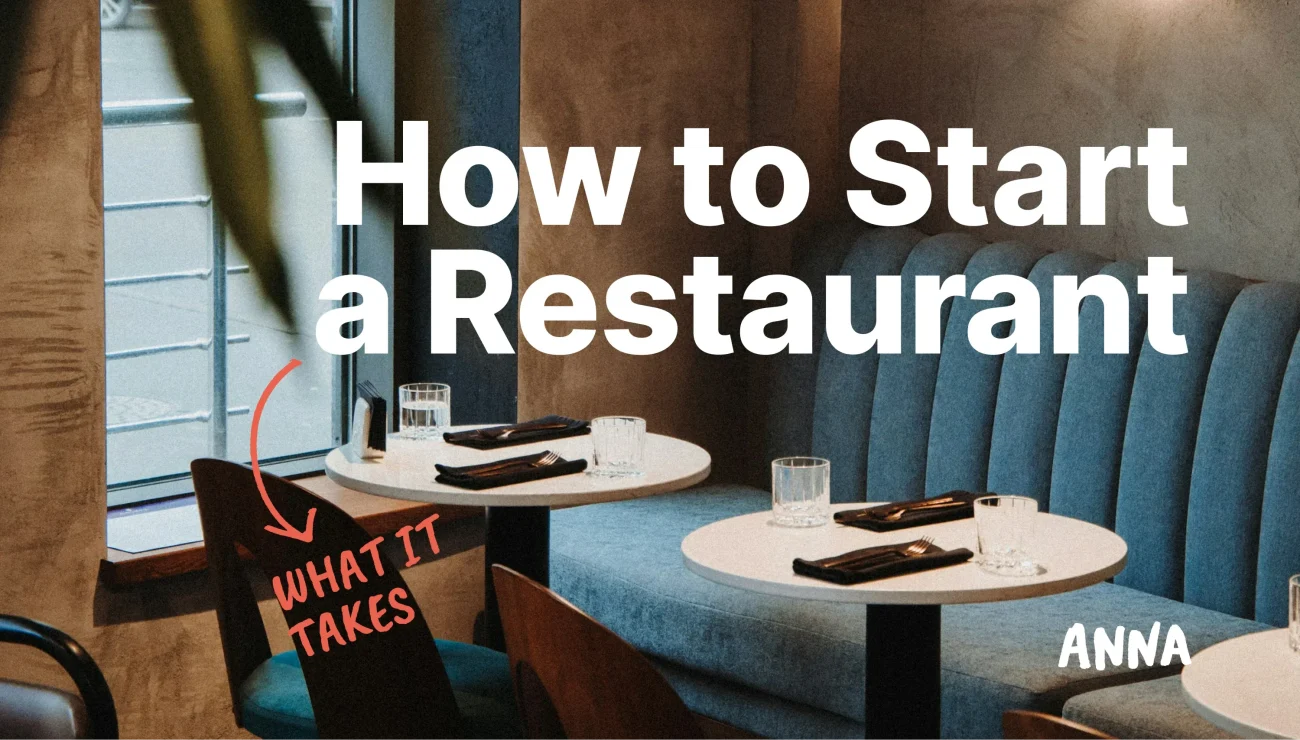
Starting a restaurant can be one of the most exciting and rewarding ventures, but it requires careful planning, creativity, and business acumen. From developing a concept to managing finances and operations, every step is crucial for Restaurant Business success. This complete guide will walk you through everything you need to know to start a restaurant business and set yourself up for long-term success.
1. Develop a Clear Restaurant Business Concept
Before you invest time and money, you need a strong concept. Your restaurant concept defines your brand, menu, target audience, and overall vibe. Consider the following questions:
-
Will it be casual dining, fine dining, fast-casual, or a food truck?
-
What type of cuisine will you offer?
-
Who is your target audience?
-
What makes your restaurant unique compared to competitors?
A clear concept will guide your menu development, pricing, and marketing strategy, helping you attract the right customers from day one.
2. Conduct Market Research
Understanding your local market is crucial for a successful restaurant. Research potential competitors, customer demographics, and dining trends in your area. Identify gaps in the market that your restaurant can fill. Market research also helps you determine pricing, menu offerings, and promotional strategies that will resonate with your target audience.
3. Create a Detailed Business Plan
A solid business plan is essential for securing funding and keeping your restaurant on track. Your plan should include:
-
Executive summary and mission statement
-
Restaurant concept and target market
-
Menu ideas and pricing strategy
-
Marketing and promotion plan
-
Financial projections, including startup costs, operating expenses, and revenue forecasts
Investors and lenders often require a comprehensive business plan, so take the time to create one that clearly demonstrates the potential of your restaurant business.
4. Secure Funding
Starting a restaurant requires a significant investment. Depending on your concept, startup costs can range from tens of thousands to hundreds of thousands of dollars. Funding options include personal savings, bank loans, investors, crowdfunding, or government grants. Make sure to plan for equipment, lease agreements, permits, initial inventory, staff salaries, and marketing expenses.
5. Find the Right Location
Location can make or break a restaurant. Consider foot traffic, accessibility, parking, visibility, and proximity to competitors. Your target audience and restaurant concept should influence your choice. For example, a fine dining restaurant may thrive in a city center, while a casual eatery may perform better in a residential area.
6. Obtain Licenses and Permits
Before opening your doors, ensure you have all the required licenses and permits. These may include:
-
Business license
-
Food service license
-
Health department permits
-
Liquor license (if applicable)
-
Fire safety and occupancy permits
Compliance with local regulations is essential to avoid fines and legal issues.
7. Design Your Menu
Your menu is one of the most important aspects of your restaurant. Focus on dishes that align with your concept, appeal to your target audience, and can be prepared consistently. Keep your menu manageable—too many items can overwhelm staff and lead to quality issues. Pricing should balance affordability for customers with profitability for your business.
8. Hire and Train Staff
A restaurant is only as good as its staff. Hire experienced chefs, servers, and managers who are passionate about food and customer service. Comprehensive training ensures consistency, efficiency, and a positive dining experience. Consider creating an employee handbook and establishing clear roles and responsibilities to streamline operations.
9. Develop a Marketing Strategy
Effective marketing will help attract customers and build a loyal following. Strategies include:
-
Social media presence on platforms like Instagram, Facebook, and TikTok
-
Local advertising and promotions
-
Collaborations with food bloggers or influencers
-
Loyalty programs or special events
Consistent branding, engaging content, and excellent service can turn first-time visitors into repeat customers.
10. Monitor Performance and Adapt
Once your restaurant opens, continuously monitor key metrics such as sales, customer feedback, and expenses. Use this information to refine your menu, pricing, marketing, and operations. Flexibility and adaptation are critical in the competitive restaurant industry.
Conclusion
Starting a restaurant business is a challenging but rewarding endeavor. With careful planning, a clear concept, smart marketing, and Restaurant Business dedication to quality, you can create a successful restaurant that attracts loyal customers. Remember, success doesn’t happen overnight—focus on consistency, innovation, and providing a memorable dining experience to stand out in the competitive food industry.
By following this complete guide, you’ll be well-equipped to turn your restaurant dream into a thriving reality.
