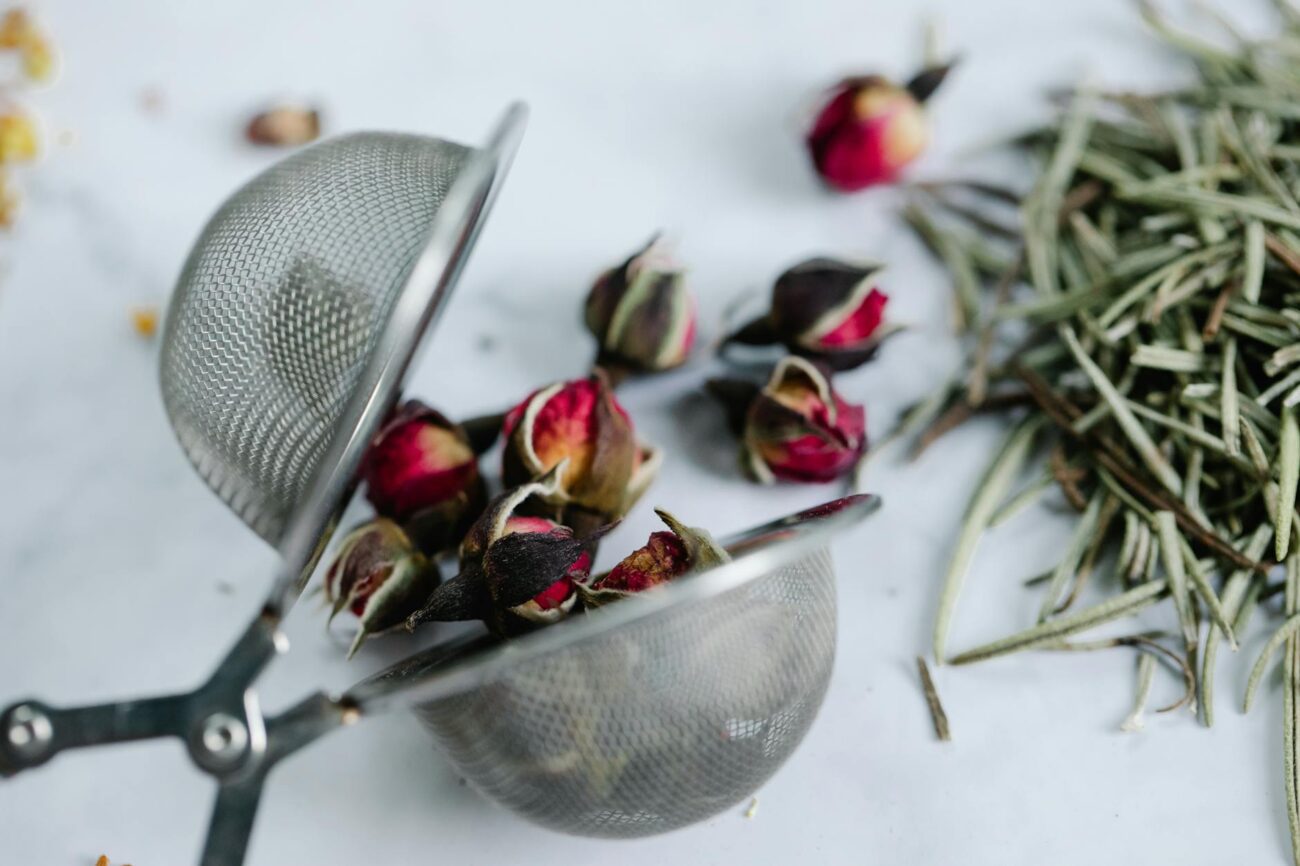
Rosemary Tea Recipe Homemade: A Fresh Brew for Wellness, Focus, and Flavor
Here’s something most coffee drinkers don’t realize: a simple rosemary tea recipe homemade can wake up your senses, sharpen your mind, and support your body—all without caffeine jitters. According to Healthline, rosemary tea is packed with antioxidants and can be ready in under 10 minutes. Even so, few realize just how easy rosemary tea preparation truly is.
Whether you’re exploring herbal tea recipes for relaxation or searching for a homemade remedy to soothe digestion, rosemary tea delivers. Beyond that, it offers a fragrant, earthy flavor that’s as comforting as it is unique. Here’s the thing: you don’t need fancy ingredients or special tools. In practice, all you need is rosemary, hot water, and curiosity.
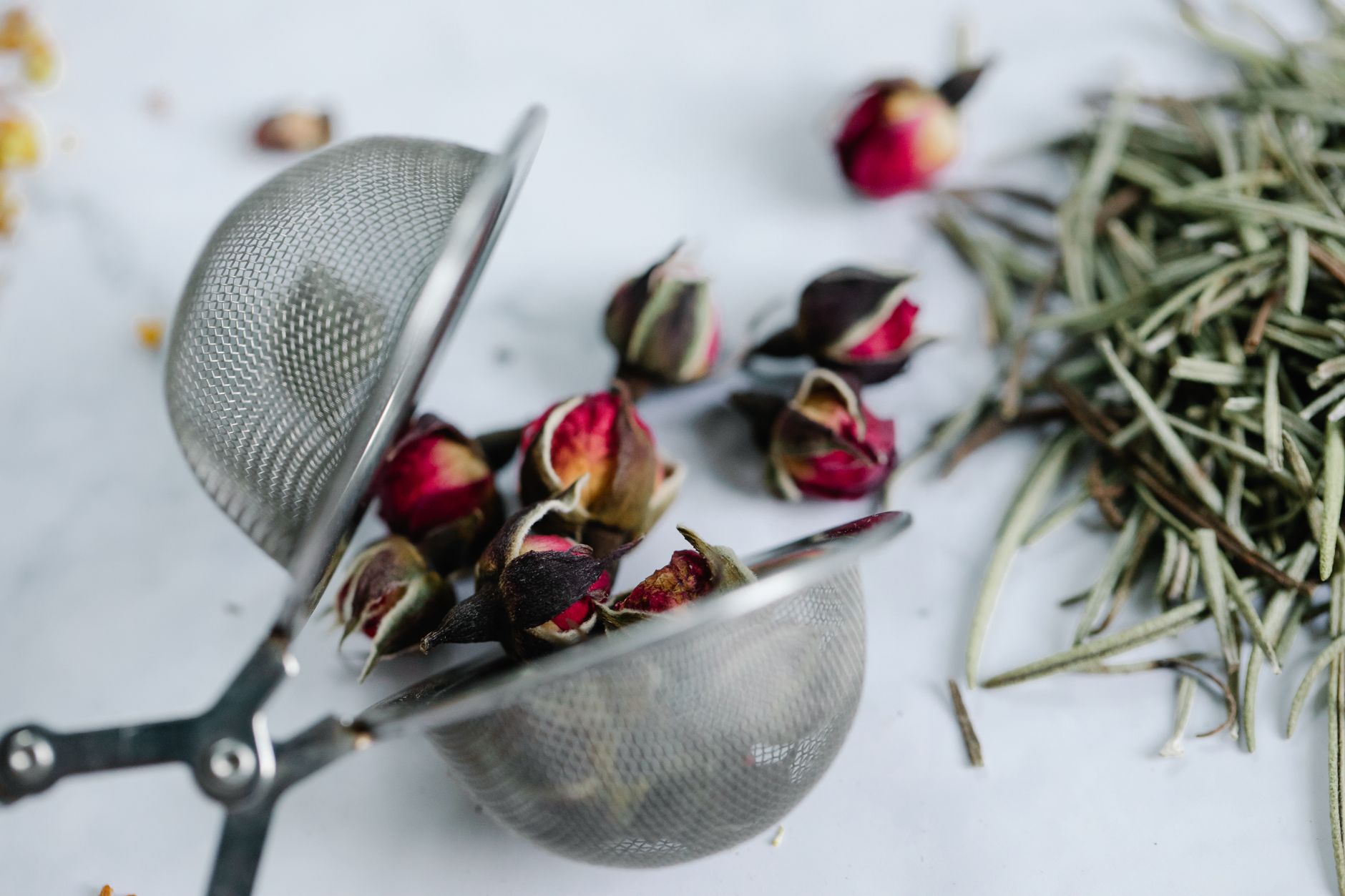
rosemary tea recipe — What Is Rosemary Tea? A Brief History and Background
To put it simply, rosemary tea is a herbal infusion made from the leaves of the rosemary plant (Rosmarinus officinalis). This Mediterranean herb holds a rich legacy—used for centuries in folk medicine and culinary traditions. Interestingly enough, the ancient Greeks and Romans believed rosemary could enhance memory and clear the mind.
With that in mind, this isn’t just any cup of tea. Rosemary’s distinct piney aroma and slightly bitter taste create an invigorating brew. Whether you’re using fresh rosemary tea recipe methods or opting for dried leaves, both approaches yield a potent cup packed with natural oils and antioxidants.
Today, homemade herbal teas are gaining popularity among wellness seekers and home cooks alike. Rosemary tea stands out for its simplicity, history, and versatility. In reality, it’s one of the easiest herbal teas to prepare at home, making it an ideal starting point for curious beginners and seasoned tea lovers.
rosemary tea and its benefits — Why Rosemary Tea Matters: Key Health Benefits
Here’s the thing: a single cup of rosemary tea contains powerful compounds such as rosmarinic acid and carnosic acid. These antioxidants help the body fight oxidative stress, offering real benefits beyond simple refreshment. According to Healthline, rosemary tea may improve digestion, reduce inflammation, and even support brain health.
Not only that, but rosemary tea is naturally caffeine-free and contains just 2 calories per cup. That makes it a gentle beverage you can enjoy any time of day—morning, afternoon, or evening. What makes this interesting is the growing body of research connecting rosemary to cognitive support and stress relief.
Worth noting, rosemary tea has gained attention for its potential in promoting hair growth and soothing scalp irritation. While more research is needed, many people use rosemary infusions as a rinse or tonic for hair care. On top of that, some small studies suggest rosemary may assist with weight loss by supporting healthy metabolism and reducing appetite.
For a deeper look at the benefits of rosemary, it’s clear this herb’s appeal stretches far beyond the teacup.
homemade herbal teas — Ingredients & Components for Rosemary Tea
To create an authentic rosemary tea recipe homemade, you only need a handful of ingredients. However, quality matters. Let’s break down your options.
Fresh Rosemary
Using fresh rosemary sprigs provides a bright, piney aroma and the most potent natural oils. Snip a few sprigs from your garden or buy organic rosemary from a trusted source. If you want to grow your own, see this guide to how to grow rosemary at home.
Dried Rosemary
Dried rosemary is convenient and shelf-stable. A simple rosemary tea recipe typically uses 1 to 2 teaspoons of dried rosemary per cup of water. Dried leaves release their flavors quickly, making this a great option for busy schedules.
Water
Filtered water is best for a clean, crisp taste. Avoid using heavily chlorinated or mineral-heavy tap water, as these can mask rosemary’s subtle flavors.
Optional Additions
While classic rosemary tea stands on its own, you can customize with lemon slices, honey, ginger, or mint for added depth. These are optional—but they can transform your cup into a personalized herbal experience.

how to make rosemary tea — Step-by-Step Guide
In practice, making rosemary tea is quick and straightforward. Even so, a few details can make a big difference in flavor. Here’s a step-by-step breakdown for the ideal homemade rosemary tea experience.
1. Measure Your Rosemary
For dried rosemary: use 1–2 teaspoons per 8-ounce cup of water.
For fresh rosemary: use one 4- to 5-inch sprig per cup. Adjust to taste.
2. Boil Water
Bring filtered water to a gentle boil. The temperature should be just off the boil—about 200°F (93°C).
3. Steep the Rosemary
Place rosemary in a teapot or heatproof cup. Pour hot water over the leaves. Cover and steep for 5–7 minutes for fresh rosemary, or 4–6 minutes for dried.
4. Strain and Serve
Strain out the rosemary leaves. Sweeten with honey or a splash of lemon, if desired. Enjoy hot, or let cool for an iced version.
See the recipe card below for precise measurements and step details.

benefits of rosemary — Tips and Common Mistakes for Perfect Rosemary Tea
With that in mind, even a simple rosemary tea recipe has its nuances. Here are key tips—and pitfalls to avoid—for the best cup every time.
- Don’t over-steep. Seven minutes is plenty. Longer steeping can make the tea bitter.
- Use high-quality rosemary. Fresh, organic sprigs or reputable dried herbs yield better flavor and benefits.
- Adjust for taste. If the tea is too strong, dilute with hot water. Too weak? Add more rosemary next time.
- Strain thoroughly. Rosemary leaves can be tough and woody—no one wants debris in their cup.
- Start with small amounts if you’re new. Too much rosemary can be overpowering for beginners.
- Mind the dosage. Limit intake to 1–2 cups daily, especially if pregnant, nursing, or on medication. (See side effects below.)
Keep in mind, rosemary is powerful—a little goes a long way.
how to grow rosemary at home — Variations and Serving Ideas for Rosemary Tea
What makes this interesting is rosemary tea’s flexibility. Here are creative twists to inspire your next cup:
- Rosemary & Lemon: Add a fresh lemon slice for brightness and a vitamin C boost.
- Minty Rosemary: Steep with a sprig of mint for a cooling, refreshing note.
- Ginger Rosemary: Add thin slices of fresh ginger for warmth and extra digestive support.
- Iced Rosemary Tea: Brew a double-strength batch, chill, then serve over ice with berries or citrus.
- Rosemary Tea for Hair: Steep a strong infusion and use as a rinse for scalp health (always patch test first).

At the same time, rosemary pairs well with other homemade herbal tea favorites like chamomile, lavender, or thyme. Mix and match to suit your mood or wellness goals.
rosemary tea benefits — Frequently Asked Questions
1. Is rosemary tea safe to drink every day?
For most healthy adults, yes. Keep in mind, moderation is key. Limit to 1–2 cups per day to minimize risk of side effects.
2. What are the main rosemary tea side effects?
In rare cases, high doses may cause nausea, stomach upset, or allergic reactions. Rosemary tea isn’t recommended during pregnancy or for those with epilepsy—consult your doctor if unsure.
3. Can I use rosemary tea for anxiety?
Some people find rosemary’s aroma soothing and calming, which may help with mild anxiety. However, clinical evidence is limited. Try a cup before bed and see how your body responds.
4. How does rosemary tea support hair health?
Rosemary contains compounds that may stimulate blood flow to the scalp and reduce inflammation. Many people use rosemary tea for hair as a rinse, but always test first for sensitivity.
5. Can rosemary tea help with weight loss?
Some small studies suggest rosemary may support metabolism and appetite regulation, but it’s no magic bullet. Use it as part of a balanced diet and healthy lifestyle for best results.
With that in mind, this fragrant tea is about far more than flavor—it’s a daily ritual for mind and body.
If you’re ready to refresh your routine, a rosemary tea recipe homemade is as easy as boiling water and letting nature infuse your cup. Experiment, adjust, and enjoy the process—your wellness journey starts with a single sip.